
- By Charlotte Brown
- December 19, 2025
Refined, lighter proteins continue to reclaim their place on thoughtful, contemporary menus. However, few meats offer the same balance of delicacy and depth as veal.
Its mild flavor, fine grain, and naturally tender structure make it a canvas for precision cooking, rewarding chefs who approach it with intention and technique.
For kitchens committed to excellence, veal presents an opportunity: a protein that adapts seamlessly to both classic preparations and modern plating.
Whether pan-seared to a perfect blush, roasted for dramatic presentation, or slowly braised to reveal silky richness, veal brings nuance and refinement to dishes across the menu.
This guide explores how chefs can highlight veal at its best through expert technique, thoughtful pairing, and the elevated quality of Gourmand’s French-sourced veal collection.
Understanding Veal: Flavor, Texture, and Culinary Potential
Veal differs from beef in both character and culinary behavior. Its mild flavor profile allows supporting ingredients to shine, while its fine grain and natural tenderness make it exceptionally responsive to precise cooking methods.
Each cut of veal responds differently to heat, making thoughtful selection essential.
- Muscles with minimal connective tissue—such as the strip loin or rib chops—excel with quick, high-heat applications that showcase their delicacy.
- Cuts from the shoulder or hind shank, on the other hand, contain more collagen and respond beautifully to slow, moist cooking methods that unlock a luxurious texture and depth.
This inherent versatility is one of the reasons chefs continue to value veal across a wide range of menu styles. It performs equally well as a centerpiece protein for fine dining, a refined option for banquets, or a canvas for global flavor profiles.
4 Essential Techniques: How to Cook Veal for Ideal Texture and Flavor
Below, we break down four essential methods every chef should rely on when cooking veal.
1. Pan-Searing & Finishing in the Oven
Pan-searing remains one of the most effective methods for cooking premium veal cuts, such as strip loin medallions and bone-in chops. These muscles are lean, fine-grained, and tender, making them ideal for quick-cooking applications that build rich flavor without compromising delicacy.
Key considerations:
- Begin with a heavy, preheated pan to achieve deep Maillard development—this step is essential for boosting veal’s naturally mild flavor.
- A Maillard crust is the golden-brown, flavorful exterior created when heat triggers the Maillard reaction—a chemical process between amino acids and sugars that produces rich, savory flavors.
- Because veal cooks faster than beef, it’s essential to monitor the timing closely to avoid overshooting your target temperature.
- After searing both sides, transfer to the oven for a gentle finish.
Target doneness:
- Medium-rare: 135°F (57°C)
- Medium: 145°F (63°C)
- These temperatures preserve veal’s succulence and refined texture.
2. Sous Vide for Consistency in High-Volume Kitchens
Sous vide is particularly well-suited for veal due to its ability to maintain moisture and guarantee uniform doneness from edge to edge. High-end kitchens rely on this method for chops, racks, and strip loins, where precision is essential.
Why it works:
- Veal's lean composition benefits from low-and-slow cooking, which prevents toughening and preserves tenderness.
- Seasoning and aromatics sealed in the bag infuse evenly throughout the meat.
Common sous vide temperatures:
- 130–135°F (54–57°C) for tender, blush-pink chops and strip loins
- 136–140°F (58–60°C) for veal racks that require more structural integrity during slicing
Finishing techniques:
- Sear in hot fat or on a plancha for a crisp exterior.
- Baste with butter, herbs, and garlic for added richness and sheen before service.
3. Roasting for Elegance and Efficiency
Roasting remains the preferred method for large-format cuts, like veal racks, offering both dramatic tableside appeal and efficient yield. This technique enables chefs to create a flavorful crust while maintaining the interior exceptionally moist.
Best practices:
- Begin with a high-temperature roast to initiate browning, then reduce the heat to cook gently and evenly.
- Use a thermometer throughout—veal’s delicate texture benefits from precise internal control.
- Allow ample resting time, so juices redistribute, safeguarding tenderness.
Carving and plating tips:
- French-trimmed rib bones create a refined presentation ideal for fine dining or banquets.
- Slice between the bones into uniform portions and pair with a bright jus or herb-forward condiment for contrast.
4. Braising for Richness and Depth
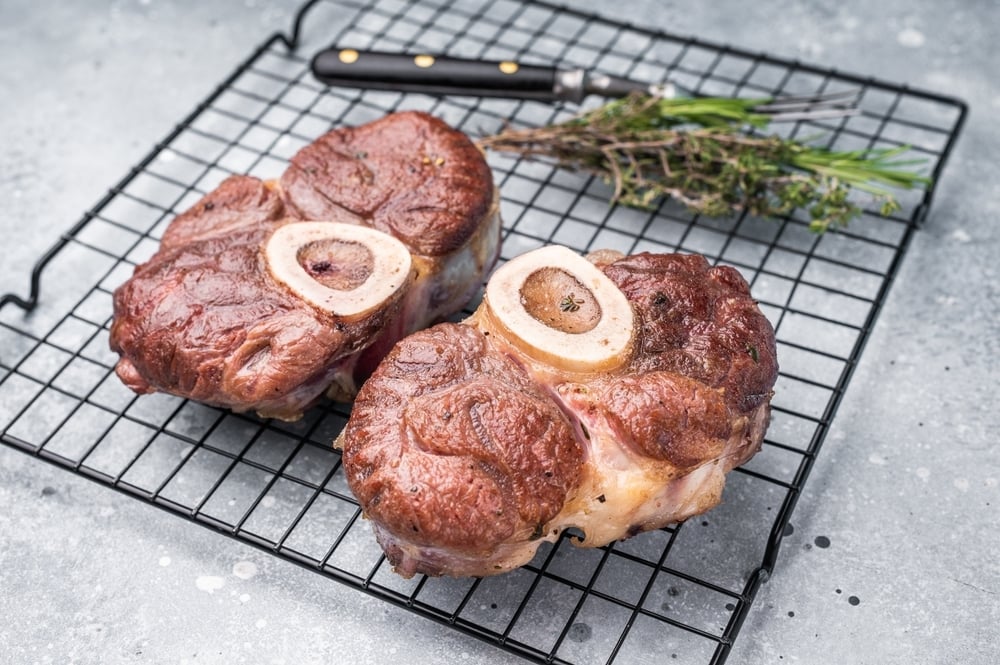
For cuts with notable connective tissue—such as osso buco or topside—braising unlocks extraordinary depth and texture. Slow, moist heat transforms collagen into gelatin, yielding a silky, spoon-tender result that retains structure.
Building a flavorful braise:
- Start with a well-developed sear to anchor the dish with robust caramelization.
- Layer aromatics such as mirepoix, garlic, herbs, and tomato paste.
- Use a combination of stock, wine, or fortified wine to create a rich cooking medium.
Technique notes:
- Maintain a low, steady simmer to prevent meat fibers from tightening.
- Skim diligently for clarity and balance.
- Reduce the braising liquid at the end to achieve a glossy, luxurious sauce.
Expert Veal Pairings: Building Flavors Around the Star of the Show
To bring out veal’s best qualities, pair it with ingredients that highlight its subtle sweetness and delicate texture.
Herbs & aromatics:
- Rosemary, thyme, tarragon, parsley
- Garlic, shallot, fennel, citrus zest
Stocks, reductions, and sauces:
- Light veal jus or reduced chicken stock
- White wine, Madeira, or vermouth reductions
- Pan sauces enriched with butter, herbs, or truffle
Seasonal pairings:
- Spring: peas, morels, ramps, asparagus
- Summer: charred lemon, tomatoes, basil
- Fall: root vegetables, wild mushrooms, chestnuts
- Winter: braised greens, sage, slow-roasted onions
Balancing delicate flavor with modern intensity:
The key is restraint—use concentrated flavors in small, intentional quantities. A touch of acidity, a hint of umami, or a bright herbal garnish adds complexity without overshadowing the protein.
5 Signature Veal Recipe Ideas for Modern Menus
Veal’s versatility makes it an exceptional foundation for inventive, contemporary dishes. Below are five chef-driven concepts that showcase standout techniques.
1. Herb-Crusted Veal Rack with Roasted Garlic Jus
Why the method works:
Roasting emphasizes the rack’s delicate marbling and clean, mild flavor. An herb crust of parsley, chives, thyme, and breadcrumbs adds texture without overpowering the meat.
Plating & accompaniments:
- Serve sliced between the ribs for elegant portions.
- Plate with roasted garlic jus, pommes purée, and charred broccolini.
- Finish with fresh herbs for brightness.
2. Pan-Seared Veal Strip Loin with Truffle-Mushroom Ragout
Why the method works:
Quick, high-heat searing maintains tenderness and highlights the strip loin’s fine grain. The mild flavor pairs beautifully with umami-rich mushrooms.
Plating & accompaniments:
- Spoon truffle-mushroom ragout beneath the sliced strip loin.
- Add a drizzle of jus gras for depth.
- Pair with sautéed greens or pommes Anna.
3. Classic Veal Osso Buco with Modern Gremolata Variations
Why the method works:
Slow braising transforms the hindshank’s connective tissue into a silky, gelatin-rich sauce. The marrow-filled bone enhances richness and presentation.
Plating & accompaniments:
- Plate upright to showcase the bone.
- Finish with a contemporary gremolata—try lemon zest, parsley, and toasted garlic chips, or add anchovy for depth.
- Serve with saffron risotto, creamy polenta, or root vegetable purée.
4. Veal Chop Sous Vide with Charred Lemon and Rosemary Oil
Why the method works:
Sous vide guarantees uniform doneness and moisture retention, especially valuable for thicker, bone-in chops. The final high-heat sear provides contrast and crispness.
Plating & accompaniments:
- Finish with rosemary oil and charred lemon halves for aromatic lift.
- Pair with spring vegetables or a warm farro salad.
- Add a light jus for polish.
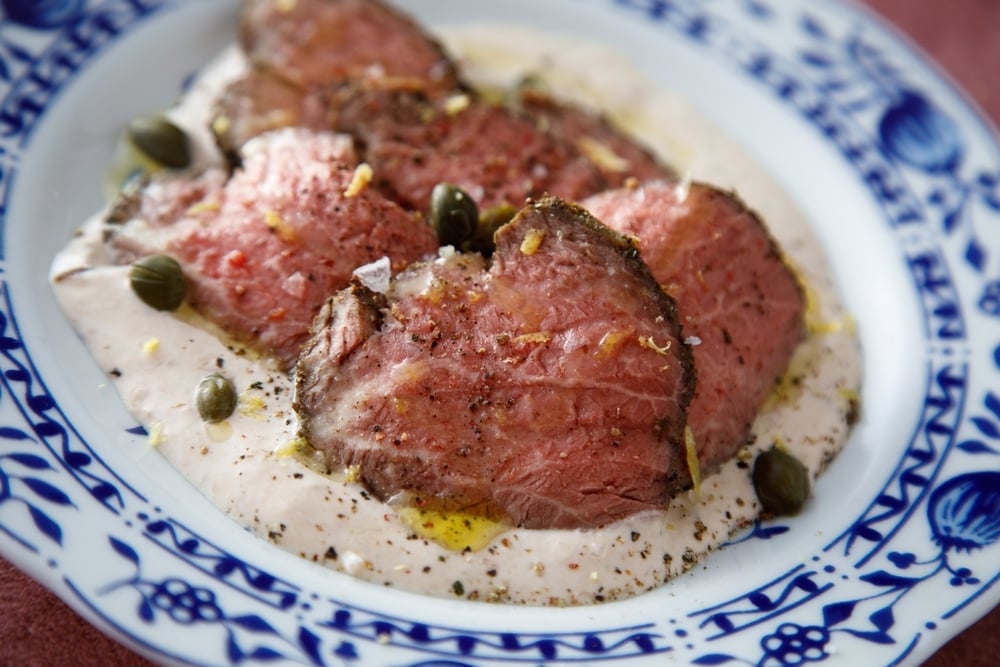
5. Veal Topside Scallopini with White Wine & Capers
Why the method works:
Thin-sliced topside cooks quickly and stays tender while absorbing the bright flavors of white wine, capers, and lemon.
Plating & accompaniments:
- Arrange scallopini medallions in a shallow pool of pan sauce.
- Add wilted spinach or haricots verts.
- Garnish with shaved lemon zest for acidity and freshness.
Invest in High-Quality Veal: Premium Cuts and Their Best Uses
The quality of the cut of veal defines the quality of the final dish. Gourmand’s French-sourced veal lineup offers consistency, traceability, and refinement that allow chefs to execute with confidence across a wide range of cooking methods.
Below, we highlight each cut’s strengths and ideal applications to help chefs make the most of their menus.
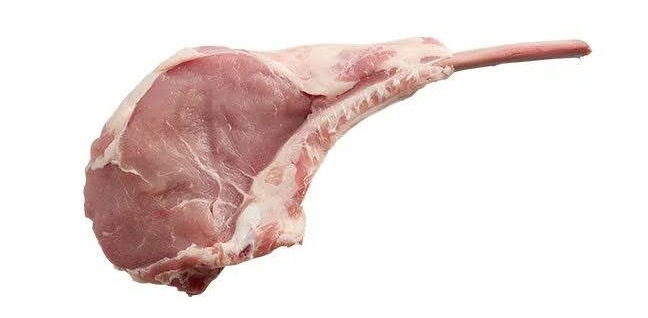
Veal Chop, Bone-In, French Trimmed
A classic centerpiece cut, the French-trimmed veal chop is prized for its tender eye muscle and elegant, elongated bone. The exposed rib bone not only enhances visual appeal but also offers a natural handle for plating.
Best uses:
- High-heat pan-searing to achieve a caramelized crust
- Sous vide for perfect doneness and moisture retention
- Oven roasting for a clean, refined presentation
This cut pairs beautifully with herb crusts, light pan sauces, gremolata variations, and spring vegetables that complement its subtle flavor.
Veal Osso Buco Hindshank
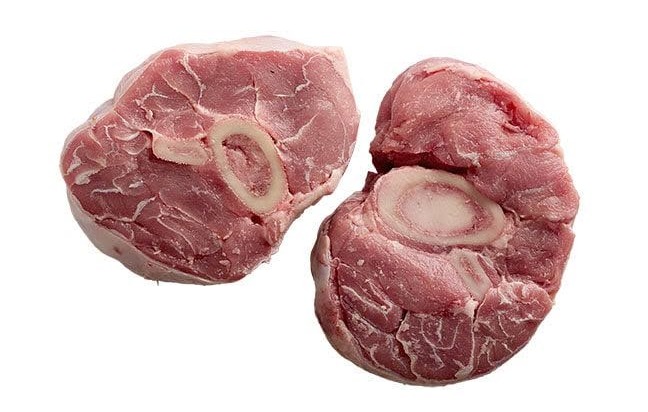
Cross-cut from the hindshank, osso buco is unmatched for depth and richness. Slow braising coaxes the marrow and connective tissue into a silky, gelatinous texture that has become a hallmark of the dish.
Culinary applications:
- Traditional Milanese-style braise with white wine, soffritto, and gremolata
- Modern variations with saffron, roasted garlic, or citrus-forward reductions
For a contemporary presentation, plate the shank upright to showcase the marrow-filled bone, and finish with a vibrant, aromatic garnish for contrast and lift.
Veal Rack, Bone-In, Six Ribs
A premium cut designed for impact, the veal rack offers delicate marbling and exceptional tenderness. French trimming elevates presentation, making it ideal for fine dining or banquet carving.
Best cooking methods:
- Classic roasting with a gradual temperature reduction
- Sous vide followed by high-heat finishing for precise doneness
To serve, slice between the ribs into uniform portions. Pair with roasted shallots, herb jus, or seasonal vegetables to highlight the rack’s natural delicacy.
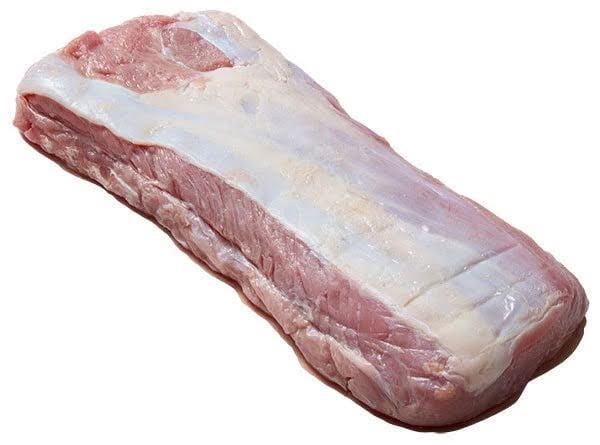
Veal Strip Loin, Boneless
One of the most versatile cuts in the Gourmand lineup, the veal strip loin delivers consistent tenderness and a mild, elegant flavor.
Ideal preparations:
- Grilling or pan-roasting whole muscle steaks
- Slicing into medallions for quick, consistent sauté applications
- Roasting for banquet service
Pair with light jus, truffle butter, sautéed mushrooms, or spring peas to accentuate its refined profile without overpowering it.
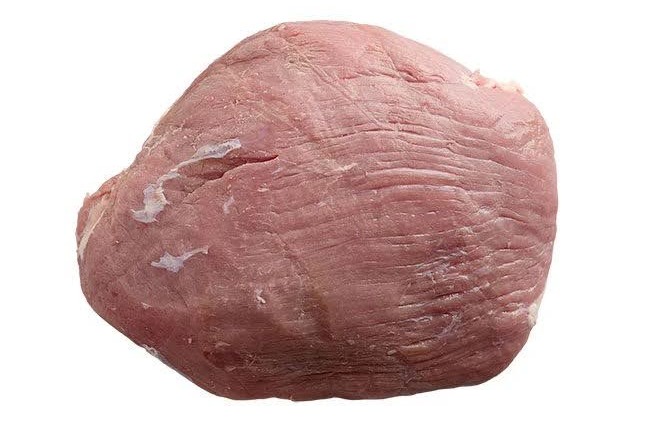
Veal Topside, Cap Off, Boneless
Lean, tender, and uniformly shaped, the topside (top round) is well-suited for preparations where clean slicing and a delicate texture are essential.
Best uses:
- Scallopini and piccata-style dishes
- Roulades and stuffed preparations
- Slow roasting or thin slicing for high-volume service
To preserve moisture in this lean cut, incorporate gentle cooking methods, quick sears, or added fat in the form of butter basting or enriched sauces.
Why the Source of Your Veal Matters: The Gourmand Advantage
Exceptional veal begins long before it reaches the kitchen. Gourmand’s French producers follow strict standards for animal welfare, feed quality, and traceability, ensuring that chefs receive products of the highest caliber.
What sets Gourmand veal apart:
- French origin and controlled production guarantee consistency and superior eating quality.
- Milk-fed diets contribute to the natural tenderness, fine texture, and delicate flavor of the meat.
- Reliability in every cut gives chefs the confidence needed for premium menu placements and high-volume execution.
From refined center-of-plate dishes to modern takes on classic preparations, Gourmand veal provides a dependable foundation for culinary creativity.

Elevate Your Veal Program with Premium Sourcing
Cooking veal at a high level requires precision, technique, and an understanding of how different cuts respond to heat.
When paired with quality sourcing and thoughtful preparation, veal becomes an exceptional platform for both classic and modern interpretations. With its versatility and refined flavor, it remains a valuable addition to contemporary menus.
Discover the full range of Gourmand veal products at Paris Gourmet to elevate your kitchen with premium, chef-trusted quality.