
- By Charlotte Brown
- July 14, 2026
Restaurant guests expect memorable dining experiences, yet many upscale eateries continue to rely on the same familiar proteins—beef, chicken, pork, and duck.
Rabbit offers chefs something increasingly valuable: a refined, versatile protein that feels distinctive without requiring unfamiliar techniques or specialized equipment.
Rabbit delivers a delicate flavor that complements seasonal ingredients, adapts to a wide range of cooking methods, and provides an opportunity to introduce something unique without straying too far from guests' comfort zones.
This guide explores the most common rabbit cuts, recommended cooking techniques, ideal rabbit cooking temperatures, complementary flavor pairings, and practical menu ideas to help chefs incorporate rabbit with confidence.
Why More Chefs Are Cooking with Rabbit
Rabbit has long been a staple of European cuisine, but today's culinary landscape gives it renewed relevance. Diners are increasingly seeking memorable ingredients and elevated dining experiences, while chefs continue searching for proteins that balance versatility, quality, and menu differentiation.
Rabbit checks all of those boxes.
Professional kitchens appreciate rabbit because it offers:
Rabbit at a Glance |
|
|---|---|
|
Attribute: |
Details: |
|
Flavor |
Mild, delicate, subtly sweet |
|
Texture |
Lean and tender with fine-grained meat |
|
Best Cooking Methods |
Roast, braise, sous vide, confit, grill |
|
Ideal Pairings |
Herbs, mushrooms, Dijon mustard, white wine, root vegetables |
|
Best Menu Applications |
Fine dining entrées, seasonal specials, tasting menus, rustic braises |
|
Cuisine Styles |
French, Italian, Mediterranean, Modern American |
Understanding Rabbit Cuts
Each rabbit cut has unique characteristics that influence cooking techniques, presentation, and menu applications.
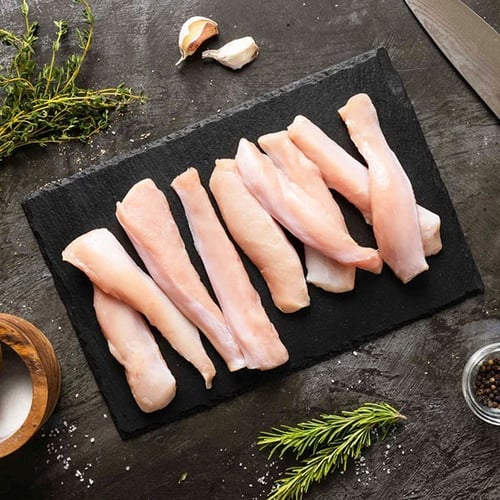
Rabbit Bone-In Loin
The bone-in loin is among the most elegant cuts of rabbit and is ideal for refined plated entrées. Keeping the bone intact helps retain moisture during cooking while providing a beautiful presentation.
Because the loin contains very little intramuscular fat, it benefits from quick, controlled cooking followed by a brief resting period. Precise temperature management is essential to preserve its naturally tender texture.
Best cooking methods:
- Pan roasting
- Grilling
- Sous vide followed by a hard sear
- Oven roasting
Ideal pairings include herb butter, Dijon cream sauce, wild mushrooms, spring vegetables, and light jus.
Chef Tip: Butter basting during the final minutes of cooking adds richness while helping protect the lean meat from drying out.
Featured Product: Gourmand's Rabbit Bone-In Loin is raised on a clean vegetarian diet of sweet grasses, barley, and whole grains without antibiotics or added hormones, delivering quality and exceptional flavor for professional kitchens.
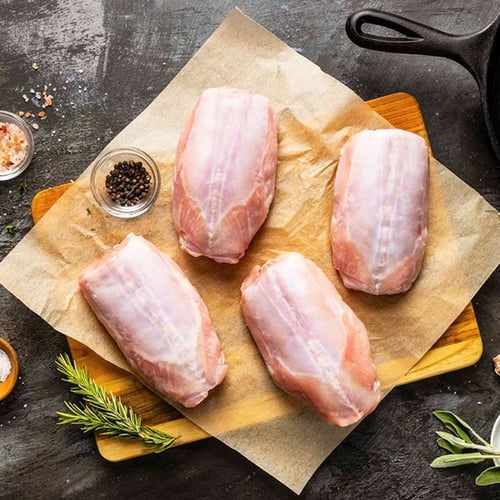
Rabbit Eye of Loin
The eye of loin is the most tender portion of the rabbit and is especially well-suited for fine dining presentations where uniformity matters.
Its uniform shape makes it ideal for:
- Medallions
- Stuffed preparations
- Roulades
- Precision sous vide cooking
- Small plates and tasting menus
Because this cut cooks quickly, chefs can achieve excellent consistency during busy service with proper temperature control.
Chef Tip: A quick, high-heat finish after sous vide creates caramelization while preserving the eye of loin's exceptionally tender interior.
Featured Product: Gourmand's Rabbit Eye of Loin offers even sizing that simplifies portioning while minimizing fabrication time.
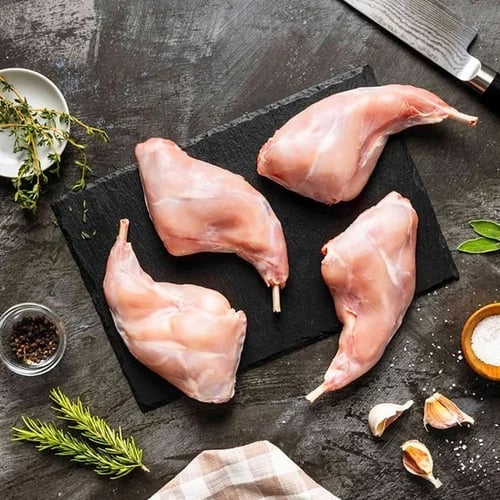
Rabbit Hind Quarters
Hind quarters contain more connective tissue, making them ideal for slow-cooking methods that transform them into rich, succulent dishes.
Excellent cooking methods include:
- Braising
- Confit
- Slow roasting
- Pressure cooking
These preparations allow collagen to break down naturally, producing meat that pulls effortlessly from the bone.
Popular menu applications include rustic French braises, Italian ragùs, Mediterranean stews, and seasonal comfort dishes.
Chef Tip: Build braising liquid with white wine, stock, shallots, thyme, and garlic to enhance rabbit's naturally delicate flavor without overwhelming it.
Featured Product: Gourmand Rabbit Hind Quarters provide steady quality while reducing prep time for slow-cooked menu applications.
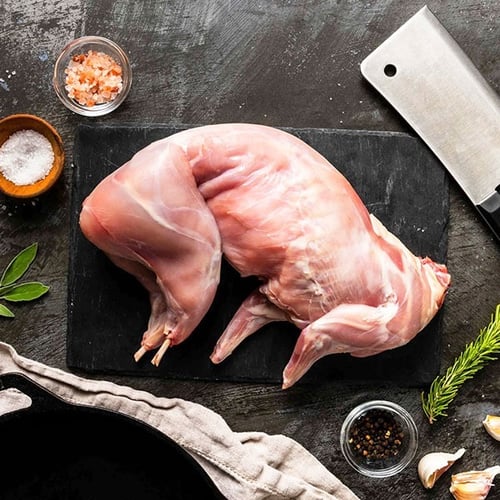
Whole Rabbit
Whole rabbit gives chefs complete creative flexibility while maximizing yield.
Fabricating a whole rabbit allows kitchens to:
- Reserve loins for premium entrées
- Braise the hind legs
- Incorporate forelegs into ragùs or terrines
- Produce flavorful stocks and sauces from the bones
- Reduce waste through whole-animal utilization
For restaurants that embrace seasonal tasting menus or chef-driven specials, whole rabbit offers exceptional versatility.
Chef Tip: Fabricating whole rabbits in-house allows chefs to create multiple dishes from a single product while improving overall food cost.
Featured Product: Gourmand Whole Rabbit delivers premium quality with the flexibility chefs need for custom fabrication and creative menu development.
Rabbit Cooking Techniques That Deliver Consistent Results
Rabbit rewards thoughtful cooking rather than aggressive seasoning. Because it is naturally lean, preserving moisture should always be the priority.
Rabbit Cooking Techniques |
||
|---|---|---|
|
Rabbit Cut: |
Recommended Technique: |
Why It Works: |
|
Bone-In Loin |
Pan roast, grill, sous vide |
Maintains tenderness while developing color |
|
Eye of Loin |
Quick sear, sous vide |
Precision cooking for premium presentation |
|
Hind Quarters |
Braise, confit |
Breaks down connective tissue for exceptional tenderness |
|
Whole Rabbit |
Roast or fabricate |
Maximum versatility and yield |
The most successful rabbit dishes allow the meat's clean flavor to remain the centerpiece while layering complementary aromatics and sauces.
Rabbit Cooking Temperature Guide
One of the most frequently asked questions is:
What temperature should rabbit be cooked to?
For food safety, rabbit should reach an internal temperature of 160°F (71°C) in the thickest portion of the meat.
Different cuts benefit from different finishing techniques.
Rabbit Temperature Cooking Guide: |
||
|---|---|---|
|
Preparation |
Target Temperature |
Notes |
|
Roasted Bone-In Loin |
160°F (71°C) |
Rest before slicing to retain juices |
|
Eye of Loin |
160°F (71°C) |
Monitor closely to prevent overcooking |
|
Sous Vide Preparations |
Finish to food-safe serving temperature after searing |
Allows excellent moisture retention and consistency |
|
Braised Hind Quarters |
Cook until fork-tender |
Texture is more important than final temperature once food safety is achieved |
Because rabbit contains very little fat, even a few extra minutes of cooking can significantly affect texture. An instant-read thermometer remains one of the most valuable tools for consistent results.
Preparing Rabbit for Service
Proper preparation begins well before the rabbit reaches the pan.
A regular workflow helps preserve quality while streamlining service.
- Thaw the rabbit completely under refrigeration.
- Pat the meat dry to encourage even browning.
- Portion or fabricate as needed.
- Season lightly to complement—not overpower—the meat.
- Sear over high heat to develop color.
- Finish using the cooking method best suited to the specific cut.
- Rest before serving to redistribute juices.
This simple process helps maintain rabbit's naturally delicate texture while improving appearance across every plate.
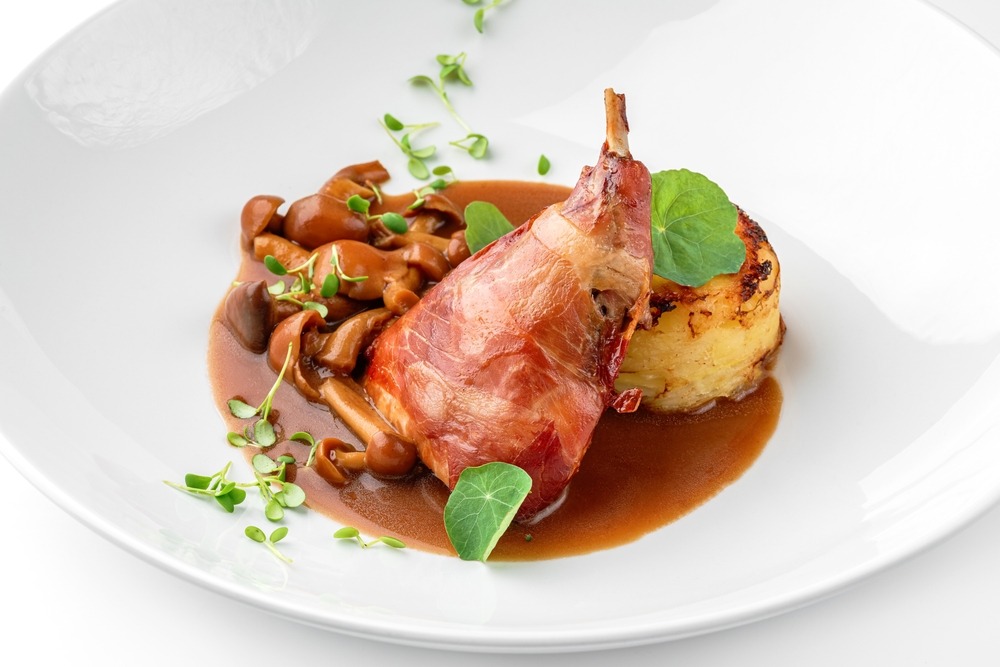
Classic and Contemporary Rabbit Flavor Pairings
Rabbit's subtle flavor makes it one of the most versatile proteins available to professional chefs.
Classic French Pairings For Rabbit
Traditional pairings include:
- Dijon mustard
- Tarragon
- Thyme
- Rosemary
- Shallots
- Garlic
- White wine
- Cognac
- Cream
- Morel and wild mushrooms
These ingredients enhance rabbit without masking its natural character.
Seasonal Pairings For Rabbit
Rabbit transitions effortlessly throughout the year.
Spring:
- Asparagus
- Peas
- Fava beans
- Morels
Summer:
- Cherry tomatoes
- Grilled zucchini
- Basil
- Fresh herbs
Fall:
- Wild mushrooms
- Chestnuts
- Squash
- Brown butter
- Sage
Winter:
- Parsnips
- Celeriac
- Carrots
- Juniper
- Red wine reductions
Contemporary Flavor Profiles For Rabbit
Modern menus often feature rabbit alongside:
- Preserved lemon
- Harissa
- Black garlic
- Olive tapenade
- Smoked paprika
- Cherry gastrique
- Hazelnuts
- Brown butter
These ingredients add brightness and complexity while maintaining balance.
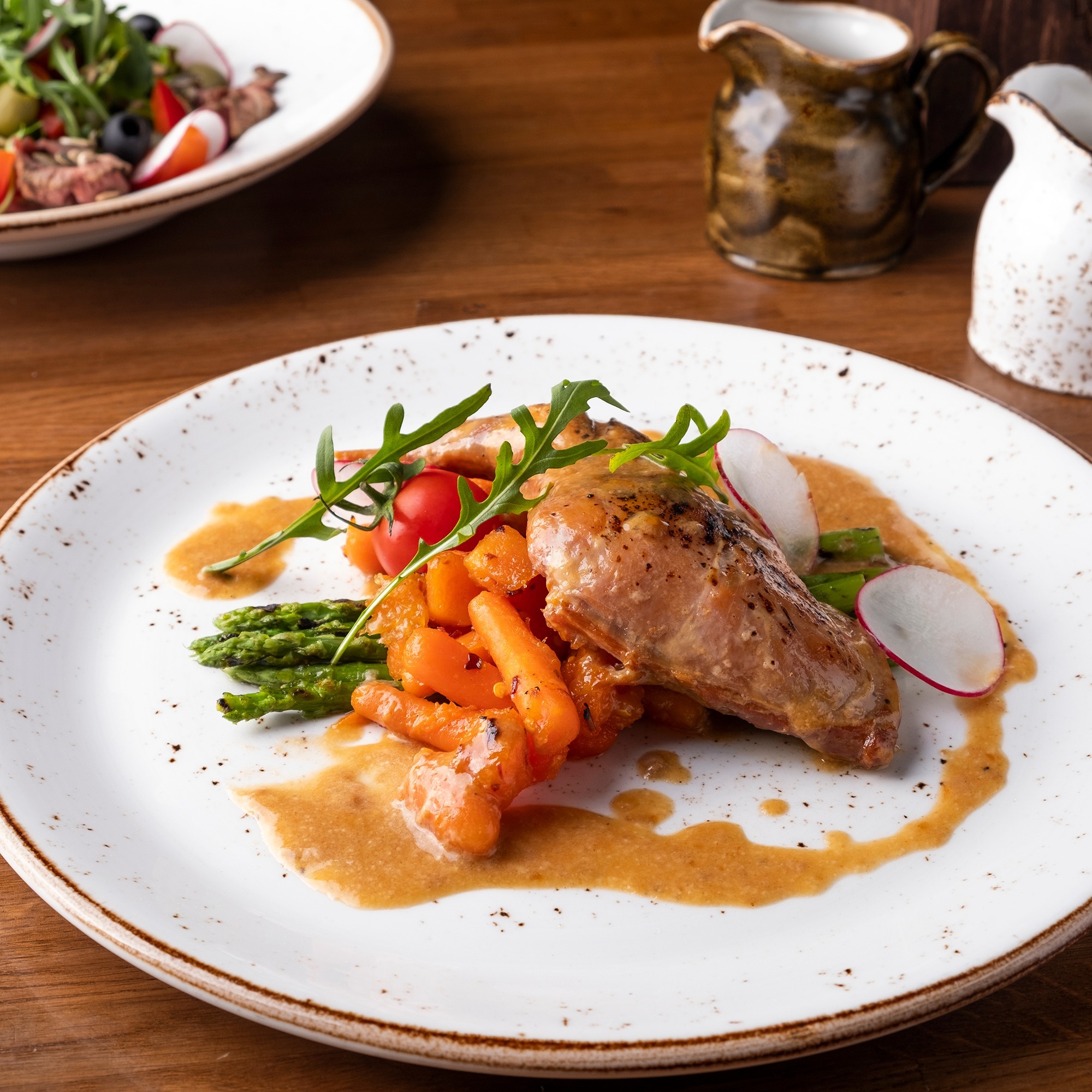
Rabbit vs. Other Premium Proteins
Rabbit offers a distinctive balance of elegance, versatility, and broad guest appeal. Compared with other premium proteins, it occupies a unique niche that's both approachable and highly adaptable across a variety of menu styles.
Rabbit vs. Other Premium Meats |
|||||
|---|---|---|---|---|---|
|
Protein: |
Flavor Profile: |
Best Cooking Methods: |
Typical Menu Position: |
Cost/Yield: |
Guest Familiarity: |
|
Mild, delicate |
Roast, braise, sous vide |
Fine dining, seasonal specials |
Moderate cost; excellent yield when utilizing multiple cuts |
Moderate; perceived as adventurous but approachable |
|
|
Rich, robust |
Roast, confit |
Classic French entrées |
Higher cost; good yield with multiple applications |
High; widely recognized on upscale menus |
|
|
Delicate, buttery |
Roast, braise |
Upscale dining |
Higher cost; consistent portioning |
High; familiar in fine dining settings |
|
Rabbit occupies a unique middle ground. It’s more distinctive than chicken, yet more approachable than stronger game meats.
Five Rabbit Menu Ideas for Modern Restaurants
Looking for inspiration? Rabbit adapts beautifully to both classic and contemporary menus.
- Pan-Roasted Rabbit Loin with morel mushrooms, asparagus, and tarragon beurre blanc
- Braised Rabbit Hind Quarter over creamy polenta with roasted carrots
- Rabbit Ragù served over handmade pappardelle
- Rabbit Confit with French lentils and mustard jus
- Sous Vide Rabbit Eye of Loin with spring peas, brown butter, and hazelnut crumble
Each preparation showcases rabbit's versatility while giving guests an experience they are unlikely to find elsewhere.
Why Premium Rabbit Starts with Quality Sourcing
Exceptional dishes begin with exceptional ingredients.
Gourmand's rabbit products are raised on a clean vegetarian diet of sweet grasses, barley, and whole grains without antibiotics or added hormones. The result is a clean, delicately flavored protein with the consistency professional chefs expect from service to service.
Available as:
Gourmand helps chefs reduce fabrication time, improve uniformity, and confidently incorporate premium rabbit into seasonal menus, tasting experiences, and signature entrées.
Frequently Asked Questions About Rabbit Cooking
Is rabbit considered game meat?
While rabbit is often grouped with game meats, farm-raised rabbit has a much milder flavor than venison or wild boar. Its delicate taste makes it approachable for a wide range of guests.
Does rabbit taste like chicken?
Rabbit is often compared to chicken because of its mild flavor, but it has a finer texture and a slightly sweeter, more refined taste.
How do you keep rabbit from drying out?
Avoid overcooking, use an instant-read thermometer, and select the appropriate cooking method for each cut. Lean cuts benefit from quick cooking, while hind quarters become tender through slow braising.
What are the best rabbit cuts for roasting?
Rabbit bone-in loin, eye of loin, and whole rabbit are all excellent choices for roasting, depending on the desired presentation.
Can rabbit be grilled?
Yes. Tender cuts like the loin grill beautifully when cooked over medium-high heat and monitored carefully to prevent overcooking.
What flavors pair best with rabbit?
Rabbit pairs exceptionally well with herbs, mushrooms, Dijon mustard, white wine, garlic, root vegetables, preserved lemon, brown butter, and seasonal produce.
Elevate Your Menu with Premium Rabbit from Gourmand
Whether you're refreshing a seasonal tasting menu, introducing a signature entrée, or expanding your selection of premium proteins, rabbit offers chefs a versatile ingredient that rewards thoughtful preparation and creative execution.
Gourmand provides professional kitchens with sourced products that make it easier to deliver refined, memorable dining experiences. Backed by Paris Gourmet's commitment to exceptional ingredients, Gourmand helps chefs transform classic techniques into modern menu standouts.