
- By Charlotte Brown
- March 13, 2026
Few ingredients signal culinary sophistication quite like duck breast.
Known for its rich flavor, balanced fat content, and elegant presentation, duck has long been a centerpiece of fine dining menus.
Among the most prized varieties is Moulard duck breast, also known as magret de canard. With its firm texture, rich marbling, and bold flavor profile, it provides the ideal foundation for refined dishes that balance technique with creativity.
For culinary professionals, duck breast offers a versatile canvas. It pairs naturally with fruit-forward sauces, luxurious accompaniments like foie gras, and classic French preparations such as Bordelaise.
Here are five effective ways to showcase duck breast on fine-dining menus.
5 Ways to Feature Duck Breast in Fine Dining
Duck breast offers remarkable versatility in fine dining, allowing chefs to highlight its rich flavor and elegant presentation through a range of classic and modern techniques.
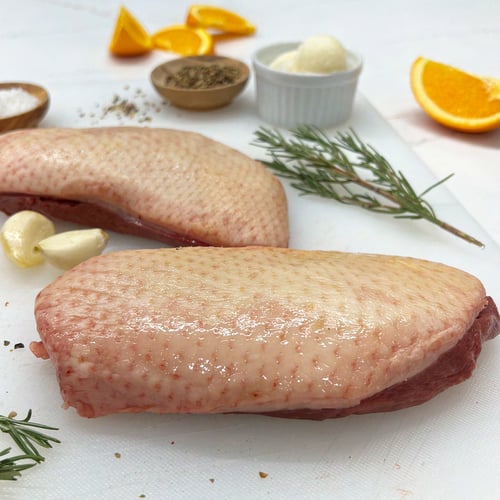
1. Pan-Seared Duck Breast with Crisp Skin
The most iconic preparation of duck breast in fine dining kitchens is the classic pan-seared technique.
When executed properly, it produces the signature contrast chefs aim for: crisp, golden skin and a tender, medium-rare interior.
- The process begins with scoring the fat layer in a crosshatch pattern. This allows the fat to render slowly during cooking, creating a crisp surface while preventing the meat from overcooking.
- Then chefs place the duck breast skin-side down in a cold pan, allowing the fat to render gradually as heat increases. As the fat melts, it bastes the meat naturally, intensifying flavor and ensuring an even cook.
- Once the skin achieves a deep golden crispness, the breast is briefly flipped and finished in the oven or pan until the center reaches medium-rare. Resting the meat before slicing is essential, allowing juices to redistribute for a clean, elegant presentation.
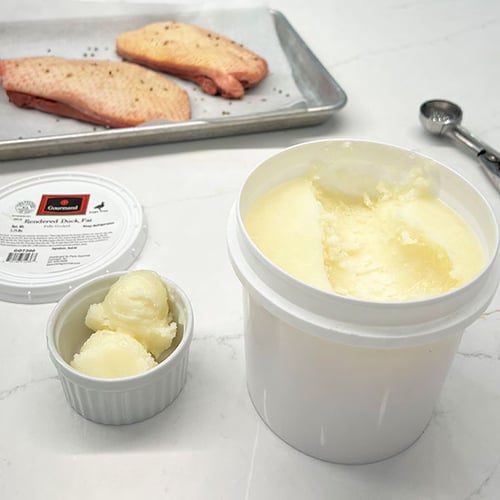
The rendered fat from this process can also be reserved and used to cook vegetables or potatoes, adding another layer of flavor to the dish.
Duck fat itself is a prized culinary ingredient—valued for its rich taste, silky texture, and high smoke point—making it a staple in professional kitchens.
2. Building a Composed Plate with Foie Gras
Few pairings feel as luxurious as duck breast and foie gras. When combined thoughtfully, these ingredients create a dish that delivers both richness and contrast—hallmarks of fine dining cuisine.
Foie gras terrine, with its velvety texture and delicate flavor, works particularly well as a complementary component. It can be incorporated into composed plates in several ways:
- Served alongside sliced duck breast for a luxurious pairing
- Integrated into layered tasting menu courses
- Paired with brioche, fruit gel, or pickled elements for balance
Whole Moulard duck foie gras terrine offers chefs a refined ingredient that delivers consistent quality and a classic French flavor profile.
In tasting menus, the combination of duck breast and foie gras can serve as a centerpiece course that showcases both technique and ingredient quality.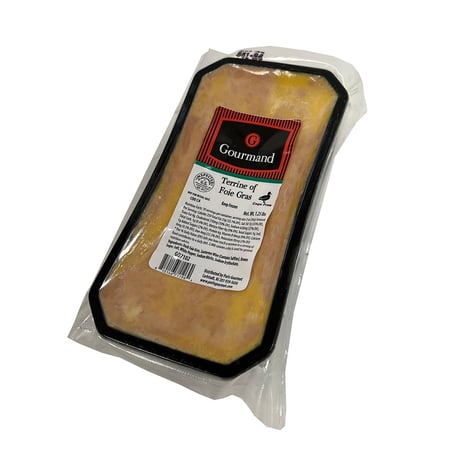
3. Pairing Duck Breast with Fruit-Forward Sauces
Duck’s natural richness makes it particularly well-suited for fruit-based sauces and reductions. The brightness and acidity of fruit provide balance, cutting through the fat while enhancing the depth of the meat.
Classic pairings include:
- Cherry reductions
- Orange gastrique
- Fig compote
- Blackberry sauces
- Port wine reductions
These elements add contrast while reinforcing duck’s luxurious profile.
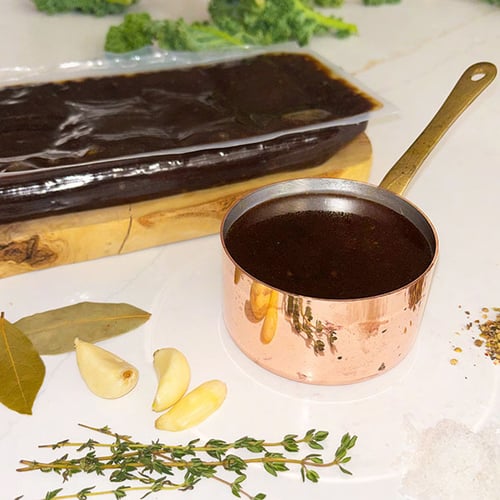
Another traditional option is Bordelaise sauce, a refined red wine demi-glace that adds depth and complexity. Made from veal stock and red wine, this classic French sauce offers savory intensity that complements duck beautifully while maintaining balance on the plate.
Whether paired with fruit or a rich wine reduction, sauces allow chefs to tailor duck dishes to seasonal ingredients and regional influences.
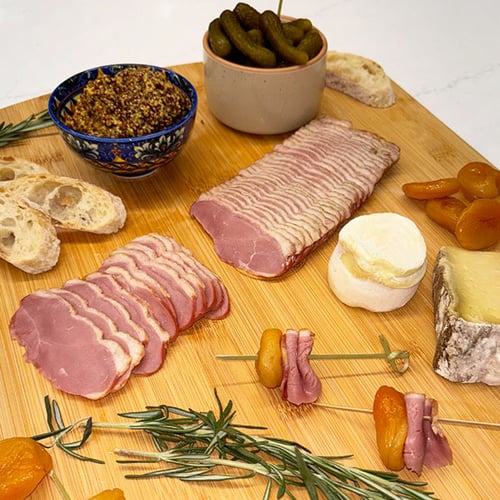
4. Using Smoked Duck Breast for Refined Charcuterie
Duck doesn’t always need to be served hot to make an impact. Smoked duck breast offers chefs another elegant format that works beautifully in appetizers and charcuterie programs.
Presliced smoked Moulard duck breast provides a rich, flavorful alternative to traditional cured meats.
The curing process—typically using salt and spices, followed by gentle smoking over wood—enhances the duck's natural flavor while preserving its tenderness.
This preparation works especially well in:
- Charcuterie boards
- Composed salads
- Crostini and canapé presentations
- Wine pairing menus
Its balanced smokiness and firm texture allow chefs to create sophisticated small plates that feel both refined and approachable.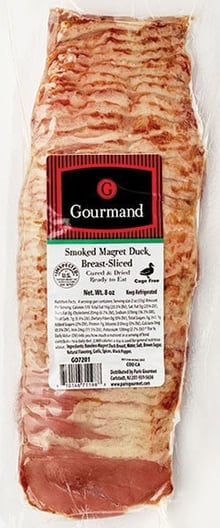
5. Exploring Traditional Duck Confit Preparations
Another classic preparation chefs often incorporate into duck-focused menus is duck confit.
This traditional French technique involves slow-cooking duck in its own fat until the meat becomes exceptionally tender. The process concentrates flavor while producing a silky texture that contrasts beautifully with crispy skin when finished.
Duck confit is commonly used in dishes such as:
- Confit duck leg with roasted vegetables
- Duck confit salads with bitter greens
- French bistro-style cassoulet
- Crispy shredded duck preparations
Because confit relies heavily on high-quality fat for cooking, duck fat plays a central role in achieving authentic results.
This preparation offers chefs another dimension of duck flavor while preserving the ingredient’s culinary heritage.
Building a Duck-Focused Menu with Premium Ingredients
For chefs designing refined menus, duck provides remarkable flexibility across courses and formats. From composed entrées to charcuterie boards and tasting menu highlights, it delivers both flavor depth and visual impact.
Creating consistent duck dishes, however, depends heavily on ingredient quality. Premium duck products allow kitchens to maintain precision, efficiency, and flavor integrity across services.
Key ingredients that support duck-focused menus include:
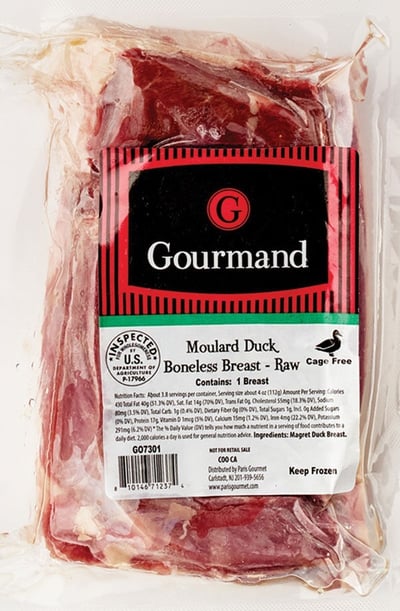
- Boneless Raw Moulard Duck Breast, prized for its rich flavor and firm texture
- Sliced Smoked Duck Breast for charcuterie and appetizer applications
- Duck Fat for roasting, confit, and flavor enhancement
- Foie Gras Terrine for luxurious plated dishes
- Bordelaise Sauce for classic French finishing
Together, these ingredients allow chefs to craft dishes that balance technical execution with culinary creativity.
FAQs: Duck Breast & Fine Dining
What is the best way to cook duck breast in fine dining?
The most common fine-dining technique for cooking duck breast is pan-searing a scored duck breast, skin-side down, to render the fat and create crisp skin while keeping the interior medium-rare.
What sauces pair well with duck breast?
Duck breast pairs well with fruit-forward sauces such as cherry, orange, fig, or blackberry reductions, as well as classic French sauces like Bordelaise made with red wine and demi-glace.
What is Moulard duck breast?
Moulard duck breast, also called magret de canard, comes from the Moulard duck and is prized in professional kitchens for its rich flavor, firm texture, and balanced fat content.
What is duck confit?
Duck confit is a traditional French preparation where duck is slowly cooked in duck fat until tender, then crisped before serving.
Why is duck breast popular in fine dining?
Duck breast is popular in fine dining because it offers rich flavor, elegant presentation, and versatility for classic French dishes, tasting menus, and modern plated cuisine.
Are You Ready To Elevate Your Menu With Duck Breast?
Duck breast remains one of the most expressive proteins in professional kitchens. Its richness, versatility, and elegant presentation make it ideal for chefs seeking to create memorable dining experiences.
From perfectly seared Moulard duck breast to refined accompaniments like duck fat, foie gras terrine, and classic Bordelaise sauce, the right ingredients make it easier to deliver dishes that balance technique, flavor, and visual impact.
Explore Gourmand’s premium duck and foie gras products to discover ingredients designed to help chefs bring sophistication, consistency, and depth of flavor to every plate.